

Why Choose Us
Our Certificate
Our quality standards are certified with ISO9001, ISO14001, OHSMS, BRC.
Product Application
Our products are widely used in Packing rice, flour, wheat, grain, feed, fertilizer, potato, sugar, sand, cement, seeds, etc.
Excellent Customer Service
Customer satisfaction is our top priority. Our dedicated team is here to assist you every step of the way, from initial inquiry to delivery. We pride ourselves on our responsive communication, timely delivery, and exceptional support, ensuring a seamless experience for our clients.
Quality Assurance
Quality is at the heart of everything we do. Our PP woven bags undergo thorough quality checks to ensure they meet international standards. We use high-grade polypropylene resin and employ stringent quality control processes to deliver bags that are durable, reliable, and consistent in performance.

Made of 100% virgin polymer into a circular woven polypropylene material. Eight reinforced sections were woven into the fabric on the loom so that it could be sewn on a square base with four corners. Equipped with a cross-corner handle, it is very versatile.

The top and bottom panels of the four-panel FIBC bag are also sewn, and the seams run along the length of the four separate pieces of fabric that make up the body of the bag. Four-piece bags are great for stacking because they hold their shape better than other types of bags.

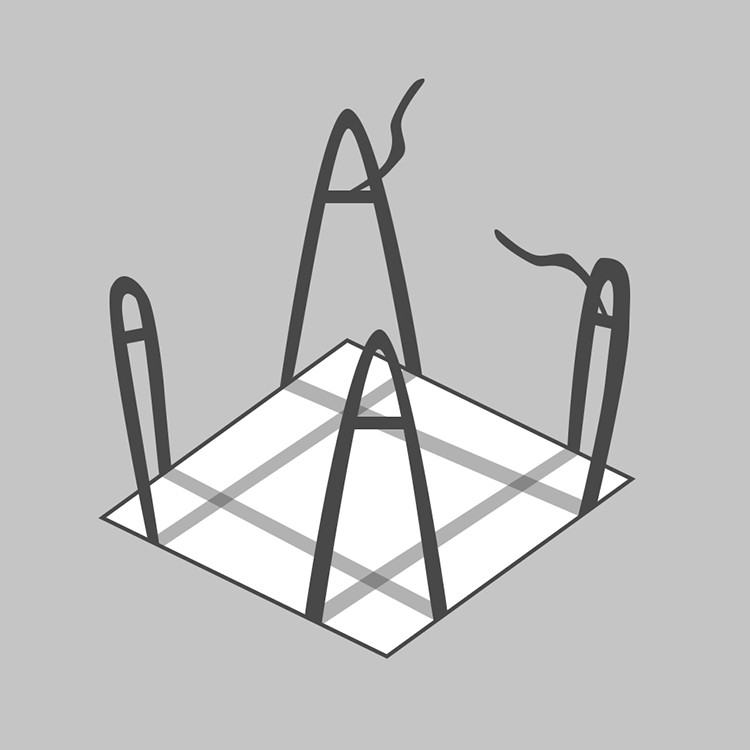
Made from 100% virgin polymer in a round woven polypropylene material. Woven polypropylene baffles are precut with oval dye-cut holes that are sewn diagonally into each corner of the material.
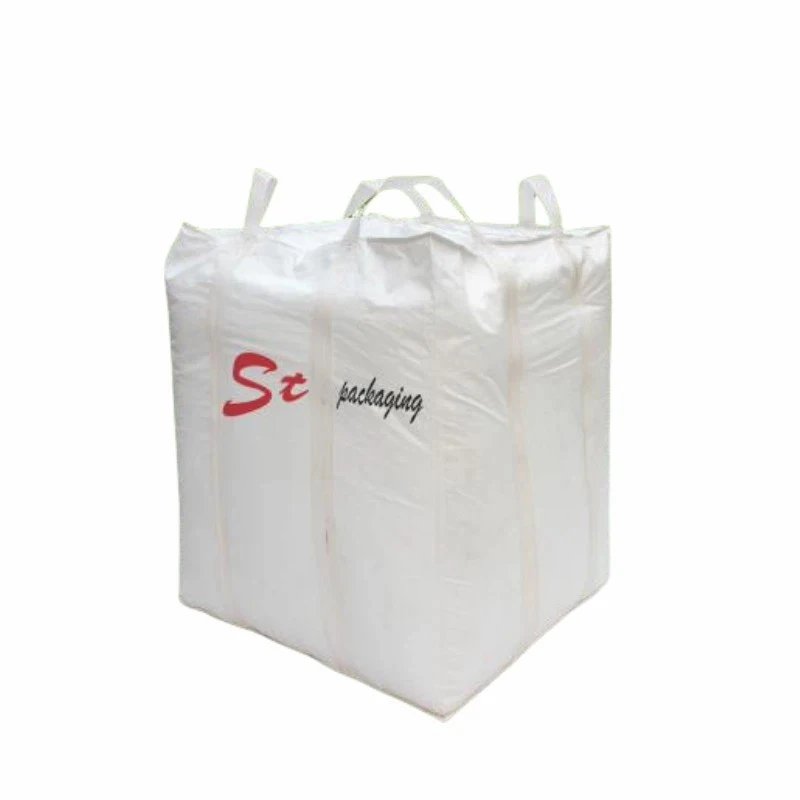
Sling container bags are widely used for packaging cement, sand and other similar products. Due to the special packaging bag structure and opening design, loading and unloading are very convenient. Larger bags are available for industrial goods with greater carrying capacity and smaller ones are used for packaging agricultural products.

1 & 2 Loop FIBC provides optimal efficiency, is cost- effective, easy-to-handle container for agriculture, fertilizers, seed, cement, lime, fish feed and other applications.

Container liners bag deliver best-in-class product protection and leakage prevention, while enabling simple handling during use in chemical, agro-industrial and mineral industries.
U-panel bulk bags are a type of flexible intermediate bulk container (FIBC) that are constructed with a U-shaped panel on each side and a single piece of fabric forming the bottom and two opposite sides. This design gives the bag a U-shaped appearance when viewed from the side.
Types Of U Panel Fibc Bags
Type A Bulk Bags
Type A bulk bags are basic, all-purpose bags that are made of plain-woven polypropylene. These FIBC bags do not offer static protection and are only used to safely transfer non-flammable products. Flammable solvents or gases should not be present in or around Type A bags.
Type B Bulk Bags
These bags are also made of non-conductive materials and should be used in the presence of combustible dusts with MIE of greater than 3mj - but not around flammable vapors. Type B FIBC bags are used to store and safely transport dry, flammable powders.
Type C Bulk Bags
Type C bulk bags are known as conductive FIBC bags and have conductive threads woven throughout the bag and are connected to tabs which must be grounded during filling and/or discharge. The threads dissipate static energy safely from the surface of the bag. Type C bags safely store and transport flammable powders or when flammable gas, dust, or vapors are present.
Type D Bulk Bags
Type D bags are static-dissipating bags similar in use to Type C, but these bags do not require grounding. Instead the antistatic fabric itself has special additives to avoid brush discharges and incendiary sparks. Type D FIBC bags can safely store and transport flammable powders or when flammable dust or gases are present.
U Panel Fibc Bags Selection
To begin the process of selecting the size of a bulk bag, you must first take into consideration the weight of the product and its bulk density. Lift loops can be sewn to the bag corners, or cross corners to allow forklifts to easily insert the forks into the loops with ease. These flexible intermediate bulk container (FIBC bags) options can take up minimal storage space.
Fill Spouts
Fill spouts come in a standard duffle top or spout top. However, you can have a custom bag made to fit a specific filling machine. Discharge spouts come standard like the fill spout, 14x18. Although they should be wide enough to easily allow the material to discharge quickly. There are different types of bottom constructions for FIBC bags, which include a plain bottom, conical bottom (which aids in the flow of product), diaper bottom, or fully open bottom.
Bulk Bags With Liners
A woven polypropylene bulk bag with a liner is designed to prevent moisture from the product. The most common liners are tube liners, with a typical liner being made from polyethylene in a 3 mil. thickness. An FIBC liner can be sewn into the fabric seams or tabbed in all 8 corners of the bag, which is a design that will prevent the liner from coming out of the bag during discharge.
How U Panel Fibc Bags Can Help a Variety Of Industries
Agricultural products: Bulk bags are exceptionally useful in the agricultural industry. Many agricultural products are destined for use in livestock feed or animal food or human consumption, so chemical-free bags that have been certified to be safe for food products make transporting these products easy and worry-free.
Food processing: Bulk bags are useful in the food processing industry because many transported foods are dry bulk products. Bulk bags are the perfect vessels for transporting food products - many bulk bags are specifically designed for this application and are certified to be safe for transporting human food-grade products.
Chemical industries: Products used in chemical industries can be hazardous, but bulk bags come in a variety of options for carrying hazardous materials and reducing the risk of static shock. Bags rated B through D offer different forms of protection that chemical companies can choose from depending on the requirements of their products.
Paints and color additives: As with other chemical products, paints, coatings and color additives contain toxic chemicals. Sturdy bulk bags help contain them safely and minimize employee contact with harmful chemicals and fumes.
Construction and mining: Bulk bags are also ideal for transporting construction materials and mining products. Successful construction projects often require huge amounts of raw materials, and successful mining operations generate tons of product. Bulk bags are strong, versatile and durable enough to get them where they need to go.
Benefits Of U Panel Fibc Bags In Different Industries
Quality seams, linings and closable spouts: For chemical, agricultural, and mining products that come in the form of powders, companies need a method of transport that ensures the fine powders will not leak out and blow away. Bulk bags help solve this problem. Siftproof seams work well in a variety of applications to ensure the security of powdered products.
Electrostatic control: With some hazardous products, such as petroleum products, the buildup of static charges within a bulk bag is a serious concern because it poses grave risks to the employees who handle the bags. Fortunately, bulk bags come in different safety grades from B to D, each offering a different level of protection. Type A bags offer no protection. Type B bags, though they are not antistatic bags, can safely transport dry flammable materials.
Food-grade quality: Not all bulk bags are manufactured to FDA food-grade quality, but those that are offer a huge boon to the food processing industry. Food-grade bulk bags ensure that food products make it to their destination safely while remaining fresh, tasty and free from chemical contamination.
Stringent standards: In chemical industries, bulk bags offer a convenient, safe way to transport pharmaceutical products. Strict standards are in place as to how pharmaceutical products can be stored and transported. Often, these standards are just as strict or stricter than the standards for human-grade food products.
Sturdy construction: Heavy-duty shipping products, such as chemicals, paint products, construction products, and the metals and minerals from mining, often require the highest quality in materials and construction.
Moisture and pest resistance: Bulk bags are made from sturdy polypropylene, a type of thermoplastic material. A thermoplastic becomes soft and easy to mold at high temperatures but becomes solid and rigid as it cools. As a result, bulk bags are made of a protective, resistant material that keeps water out, resists mold growth and provides an effective barrier against pests. Polypropylene bulk bags help ensure that food products get to their destination free from mold or moisture damage and without having become a tasty snack for mice or bugs.
Eco-friendliness: Unlike single-use plastic packaging, some bulk bags can be reused if their safety factor allows for multiple uses. Though bags that have carried certain chemical contaminants should be single-use bags, bags that have carried inert materials such as agricultural products, pet food or human food products can often be reused in other industries.
Employee safety: Across all industries, employee safety is paramount. But lifting heavy bags and containers puts excessive stress on employee's backs and joints, potentially resulting in repetitive stress injuries. Bulk bags, which hold thousands of pounds and can safely be lifted using forklifts or other equipment, help reduce these workplace injuries and keep employees healthy, pain-free and productive.
Crop Storage and Transport – Once a farmer fills bulk containers with crops, they can remain in the same bags for storage purposes, during shipping and even for sales. They keep the products safe from potential damage and allow farmers to organise them neatly and optimise their storage space.
Transportation for crops is a major concern, as they need to reach their destination without encountering any damage. If the crops are affected during the shipment process they could become useless to buyers, which ultimately loses the farmer money.
Vegetables and fruits are fragile and need adequate protection to keep them from being crushed or bruised. Smaller crops, such as wheat, barley and nuts need to stay dry and cool in transportation.
Seed storage and transport – Farmers need to be able to stock, ship and collect large amounts of seed to grow new crops and feed livestock. While seed is less likely to sustain major damage during movement, it still needs a lot of protection. Moisture and heat can spoil it, making it useless in a lot of cases. Additionally, small animals like birds and rodents can get into the seed and cause it to spill out of low-quality bags.
Any product lost will lead to lost revenue for farmers and will disrupt their daily processes. The right bulk bags can protect seeds from water damage, keep them cool and double as organised storage and shipping vessels that will extend the longevity of the product. Woven polypropylene bags will help keep seeds usable for over a year, depending on the variety.
Fertiliser, storage and transport – Farmers also need to keep other materials in storage for long periods of time; including fertiliser. Crops will not grow without fertiliser as it helps farmers produce a higher crop yield. Fertilisers can be either organic or inorganic, and come in liquid, semi-liquid or dry forms.
Bulk containers help preserve fertiliser and make loading, unloading and distribution simple. They have convenient handles that make moving them from location to location easy plus they are big enough to store significant amounts. Fertiliser can become contaminated and contaminate other materials and bulk containers will keep the product safe and contained.
Green Initiatives – For anyone involved in the agricultural industry, it is essential to consider a number of processes and products that can affect the environment. Energy conservation and preservation of natural resources are always the main agricultural concerns. Bulk containers help to replace paper bags and cardboard boxes in storage, transportation and distribution efforts plus they are reusable, which helps to lower your carbon footprint.
Our Factory
The main products of Sitong Packaging are PP woven bag, BOPP bag, FIBC/big bag/jumbo bag, PP woven fabric roll and PP loops, which are widely used in rice, flour, sugar, salt and other food packaging, as well as mineral products, chemical products, animal feed, building materials, and other non-food packaging sectors.

FAQ
Hot Tags: u panel fibc bags, China u panel fibc bags manufacturers, suppliers, factory, polypropylene rolls, pp woven starch sack, pp woven chicken feed sack, pp sand sack, Baffle FIBC bulk Bags, polypropylene sugar sack


