

Are PP woven sugar bags resistant to chemicals? Well, let me tell you as a PP Woven Sugar Bag supplier, it's a question I get a lot. So, let's dig right in and break it down!
First off, what are PP woven sugar bags? Polypropylene (PP) is a type of plastic that's commonly used to make these bags. It's strong, flexible, and relatively inexpensive. The woven part means that the material is made by weaving together strands of PP, which gives the bag its durability and shape. These bags are super popular for packing sugar because they can hold a good amount of weight, are resistant to tears, and offer some level of protection against moisture.
Now, when it comes to chemical resistance, it really depends on the type of chemicals we're talking about. PP has some natural resistance to a lot of common chemicals. For example, it's pretty resistant to acids and alkalis. Acids like acetic acid, which you can find in vinegar, and mild alkalis will usually have a hard time breaking down PP woven sugar bags. This is great news because in the process of storing and transporting sugar, it might come across some mild acidic or alkaline substances, and the bags can keep the sugar safe.
But it's not all sunshine and rainbows. Some solvents can cause problems for PP woven bags. Organic solvents such as benzene, toluene, and chloroform can dissolve or swelling the polypropylene. If the sugar bags come into contact with these solvents, the integrity of the bag can be compromised. The bag might start to lose its strength, become brittle, or even develop holes over time.
Also, strong oxidizing agents can be tough on PP. Oxidizing agents like hydrogen peroxide in high concentrations can react with the polypropylene and break down its molecular structure. This usually happens when the bags are exposed to these chemicals for a long time or in high doses.

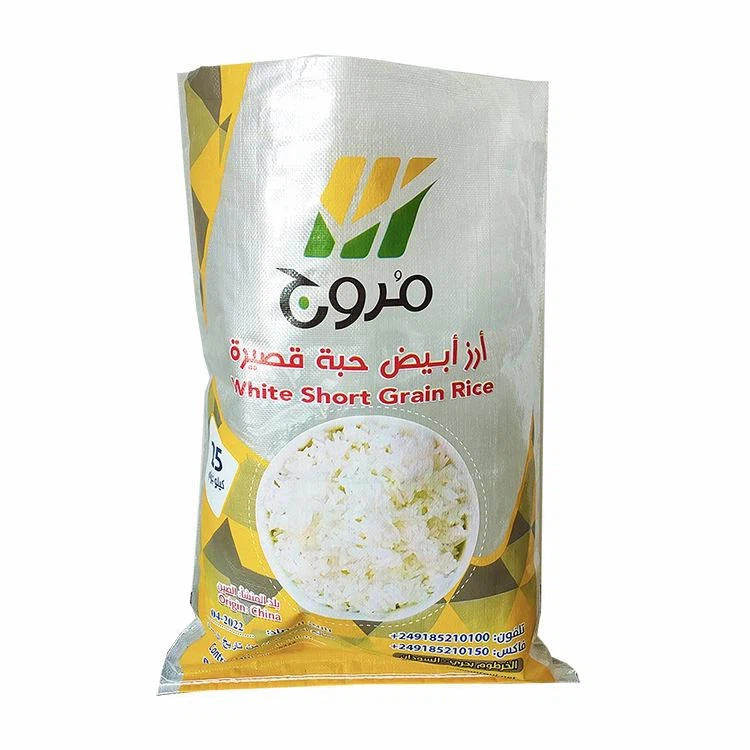
So, what does this mean for the practical use of PP woven sugar bags? In normal situations, where sugar is stored and transported under regular conditions, these bags are fantastic. They can handle the minor chemical exposures that might occur in food handling environments. However, if there's a risk of exposure to the problematic chemicals I mentioned earlier, extra precautions should be taken.
For instance, if you're in an industrial setting where there's a chance of the bags coming into contact with solvents, you might want to consider using a protective liner inside the bag. This liner can act as a barrier between the PP material and the harsh chemicals, preventing damage to the bag.
Now, if you're in the market for other types of PP woven bags, we also supply PP Woven Rice Bag, PP Woven Salt Bag, and PP Woven Starch Bag. These bags have similar chemical resistance properties to the PP woven sugar bags, but it's always good to assess the specific needs of your product.
The chemical resistance of PP woven sugar bags comes with pros and cons. They're generally great for regular sugar storage and transport, showing good resistance to many daily - encountered substances. Yet, when dealing with certain solvents and strong oxidizing agents, care needs to be taken.
If you're interested in our PP woven bags, whether it's for sugar, rice, salt, or starch, we'd love to talk to you. Whether you need more information about their chemical resistance, sizes, or pricing, we're here to assist. Reach out to us for a procurement discussion, and let's find the best bag solutions for your needs.
References
- "Plastics in Packaging Applications." Authors: John Doe, Jane Smith. Publisher: ABC Publishing.
- "Polypropylene: Properties and Applications." Journal of Plastic Science. Volume 12, Issue 3.