
With the strengthening of plastic pollution control in China, non-degradable disposable plastic bags have gradually withdrawn from the market, and many alternative products have emerged accordingly, the most common of which is non-woven fabrics. From the daily grocery supermarket handbag, to the takeout platform with milk tea and lunch box packaging bags, and a lot of portable disposable daily necessities, many are non-woven products, pay attention to observation, you will find that the frequency of daily use of non-woven fabrics is higher than the frequency of using plastic bags.
In the early years, canvas bags will be called environmentally friendly bags, and now a variety of non-woven bags on the market have also been dubbed "environmentally friendly bags", and even many consumers believe that non-woven bags are cloth bags, which are environmentally friendly than plastic bags and will not cause plastic pollution. Is this really the case? Why has non-woven bag become the new darling of the packaging industry, can it be used as a substitute for plastic bags, how to use it to achieve true environmental protection, and how to dispose of it?
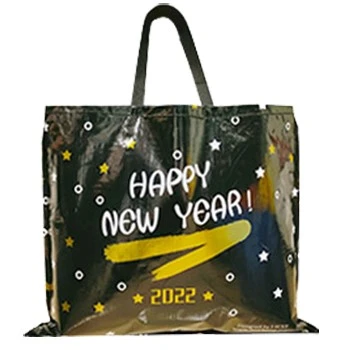
From the name point of view, many people think that it is a cloth bag, in fact, it is not. It is only because it has the appearance and certain properties of cloth, but it is not textile before it is called non-woven, and it has an alias: non-woven.
In the national standard GB/T 5709-1997 "Textile Nonwovens Terminology", nonwovens are defined as "oriented or randomly arranged fibers that are combined with each other by friction, hugging, or bonding, or a combination of these methods to make sheets, fibers or MATS." These fibers mainly include chemical fibers and natural fibers two categories.
But these non-woven fabrics, which are difficult to degrade, are used in more and more occasions: from milk tea packing bags, supermarket handbags, to face towels, kitchen cleaning towels, and then to disposable medical supplies, agricultural crop protection films... The figure of non-woven fabrics can be seen everywhere. In particular, non-woven fabrics used in medical and health products can not be recycled because of pollution or potentially harmful substances, and they belong to dry garbage in garbage classification, which can only be disposed of by landfill, incineration and other ways.


